Joinery vs Carpentry: What's the Difference?
"Joiner" and "carpenter" are often used as if they mean the same thing, and plenty of skilled tradespeople do both. But traditionally they are two distinct crafts, and the difference is worth understanding when you are choosing who should work on heritage timber.
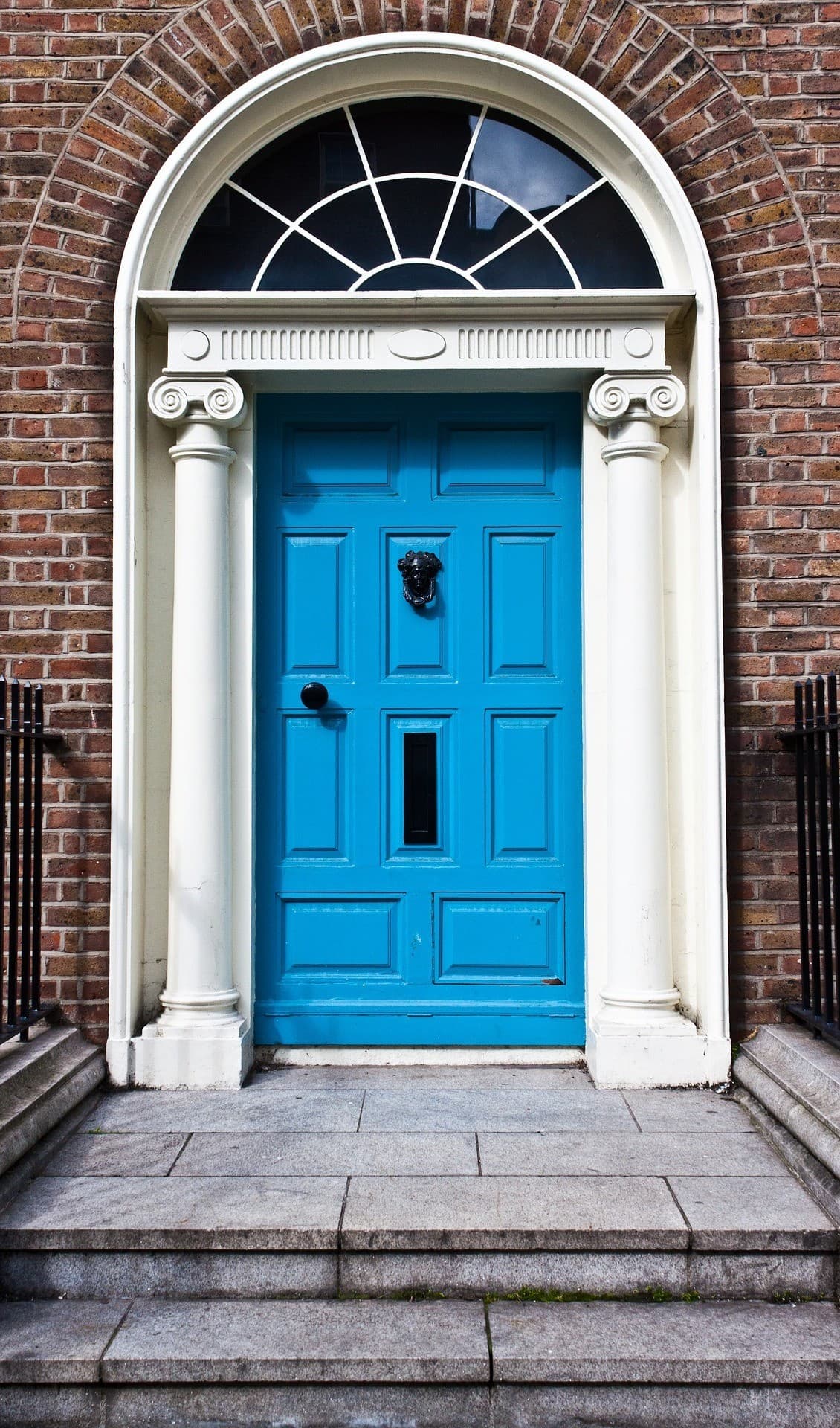
What does a joiner do?
A joiner makes timber components — doors, windows, staircases, furniture and mouldings — in a workshop, at a bench. The work is precise and often involves cutting joints (hence "joinery") such as mortise-and-tenon and dovetails, usually without nails or screws.
Because joinery is bench work, it lends itself to bespoke, made-to-measure pieces and to replicating original components for restoration. Woodturning and cabinetmaking sit within the joiner's craft.
What does a carpenter do?
A carpenter typically works on site, fitting and fixing timber in place: floor joists, roof structures, stud walls, and installing the components a joiner has made. The work is structural and constructional rather than fine bench work.
Put simply, the joiner tends to make the timber components and the carpenter tends to fit them — though in practice the two overlap, and many craftspeople are skilled in both.
The difference between a carpenter and a joiner
The clearest distinction is where and how the work happens: joinery is made at the bench in the workshop, carpentry is carried out on site. For heritage and restoration work — repairing a sash window, turning a replacement baluster, rebuilding a panelled door — it is joinery skills you are usually looking for.
At Historic Joinery Yorkshire the heart of the work is bench joinery and woodturning, carried out by hand by a Guild of Master Craftsmen member.